
- Your cart is empty
- Continue Shopping
Uncategorized
Are Rove Carts Real: What Buyers Need to Know Before Purchasing
-
By Danniel Paxton
- Posted on
Are Rove Carts Real? What Buyers Need to Know
If you’re asking, are rove carts real, the honest answer is yes—Rove is a legitimate cannabis brand. The bigger issue is that counterfeit Rove-style cartridges are common in the unlicensed market, and fake packaging can look convincing. This guide breaks down how to do a smart authenticity check, where real products are sold, and what to do if you’re unsure about a cart you already bought.
Are Rove carts legit, or is it all hype?
Rove is a real brand with a public presence, product lines, and distribution through licensed channels. You can see the brand and product information on the official Rove Brand Vape site, along with product categories and related resources.
That said, “legit brand” doesn’t automatically mean every cart labeled “Rove” is authentic. Counterfeiters copy popular brands because shoppers recognize the name, which is why “are rove carts real or fake” is such a common question.
Why so many people run into fake Rove carts
Vape cartridges are one of the most counterfeited cannabis products because they’re small, high value, and easy to resell. If a cart is bought from a friend, a random website, a smoke shop, or a social media seller, the odds go up that it’s counterfeit.
Fake carts are risky because they may contain untested oil, leftover solvents, pesticides, heavy metals, or cutting agents. The CDC has documented serious lung injuries linked to vaping products, especially those obtained through informal sources: CDC: Outbreak of Lung Injury Associated with E-cigarette Use.
Rove cartridge authenticity check: real vs counterfeit
If you’re trying to answer “is rove carts real” for a product in your hand, use a layered approach. No single sign is perfect—counterfeiters can copy stickers and boxes—but multiple checks together can give you a clear direction.
1) Confirm you bought from a licensed, authorized retailer
The safest “rove cart real vs counterfeit” test is the purchase source. Authentic products are sold through legal cannabis retailers in regulated markets, not random online listings or unlicensed shops.
- Prefer licensed dispensaries and verified delivery services in your state.
- Avoid “too good to be true” deals, bulk discounts, or sellers who won’t show licensing.
- If a seller can’t prove where they got inventory, treat it as a red flag.
2) Check for batch-specific testing information (not generic numbers)
Regulated cannabis products typically include batch or lot details and lab testing information. Real brands usually rely on batch-specific results because potency varies by run. If you see packaging that looks generic, lacks required compliance details for that market, or shows identical THC numbers across “every flavor,” be cautious.
Keep in mind: counterfeiters sometimes add fake lab-style stickers. Treat this as one check—not the only one.
3) Look for a QR code or verification path
Many legitimate cannabis brands use a QR code for lab results or internal verification. Scan the QR code and see where it leads. A convincing-looking QR code that redirects to a strange domain, a broken page, or a non-matching product page is a warning sign.
- If scan results don’t match your product name, strain, or batch info, stop using it.
- If the code leads to a generic image or a page with no batch details, treat it as suspicious.
4) Inspect build quality and oil presentation (helpful, not definitive)
Hardware and oil appearance can provide clues, but these can be copied too. Still, if multiple issues show up at once, it’s often a counterfeit.
- Oil consistency: Extremely runny oil or oil that separates into layers can be a bad sign.
- Unexpected smell/taste: Harsh chemical notes, burnt plastic, or perfume-like flavoring can indicate poor inputs.
- Leaking or clogged right away: Some clogs happen with any cart, but repeated failure out of the package is suspicious.
- Packaging errors: Typos, blurry printing, mismatched fonts, or missing compliance markings for your state.
“Is my Rove cart real?” A quick decision checklist
If you’re stuck on is my rove cart real, use this fast checklist before you take another pull:
- Did you buy from a licensed dispensary or verified delivery? If no, assume higher counterfeit risk.
- Does the packaging include batch-specific info appropriate for your state? If missing, be cautious.
- Does the QR code/link produce matching details? If it’s broken or generic, stop using it.
- Does the oil or hardware seem off (harsh, runny, leaking)? If yes, don’t keep testing it with your lungs.
If multiple answers raise concern, the safest choice is to stop using the cartridge and bring it to the retailer (if you bought it legally) to ask for verification or a return/exchange under their policy.
Where to buy real Rove carts online (and where not to)
When shoppers search “are rove dab carts real,” they often end up on unofficial sites claiming to ship anywhere. Be careful: cannabis vape cartridges are regulated products, and legal sales depend on state rules and licensed distribution.
To browse product types and learn what Rove sells, start with the official categories like rove carts. Then, purchase through licensed channels available in your area.
Signs an online listing is probably counterfeit
- Ships to states where THC products can’t legally be shipped to consumers
- No verifiable business address, cannabis license info, or retailer credentials
- Prices far below typical dispensary pricing
- No batch info, no compliance labeling, or templated “lab results”
What to do if you think you bought a fake Rove cart
If you believe you have a counterfeit, avoid trying to “push through” and finish it. Health risks aren’t always immediate. The FDA has also published consumer guidance on vaping product risks and safety considerations: FDA: E-Cigarettes, Vapes, and ENDS.
- Stop using it.
- If purchased from a licensed dispensary: contact them with your receipt, photos, and packaging details.
- If purchased from an unlicensed source: don’t resell or pass it along; dispose of it according to local guidance.
- If you feel unwell (coughing, chest pain, shortness of breath): seek medical care.
What real Rove products look like on the market
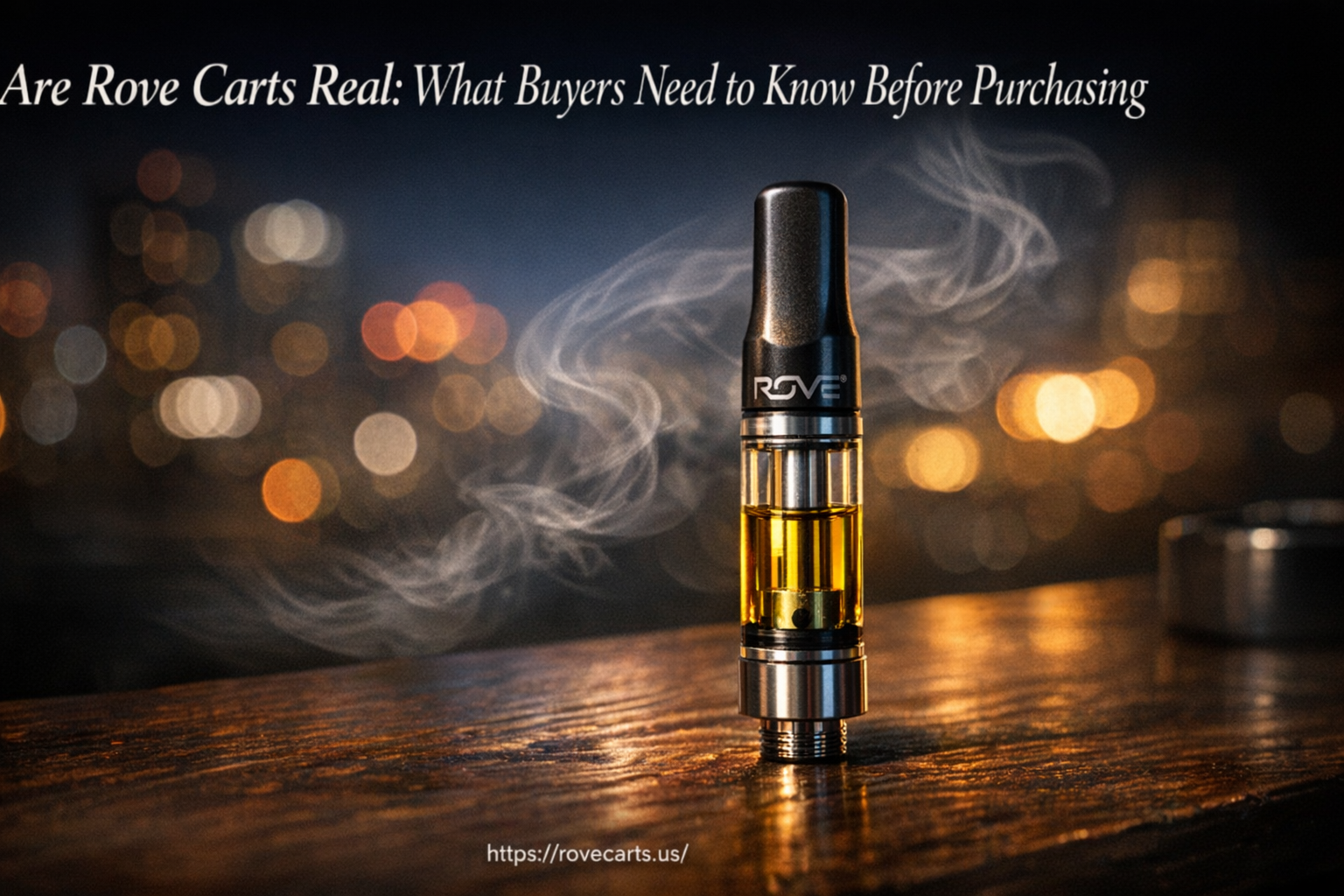
Rove sells multiple product lines and hardware options, and packaging can vary by state and product type. If you’re comparing what you bought to what the brand offers, check official references and educational pages. If you want a deeper product-quality overview from a buyer perspective, see How Good Are Rove Carts.
Bottom line: are Rove carts real?
Are rove carts real? Yes—Rove is a legitimate brand. The real risk is buying a cart labeled “Rove” that didn’t come from a regulated, licensed retailer. Use the authenticity checks above, trust the purchase source more than the packaging, and don’t compromise on safety just to save money.

